
Discover Your Dream Home: Fort Smith AR Homes for Sale in 2026
Fort Smith continues to offer one of Arkansas’s most accessible entry points into homeownership. According to Redfin, median sale prices in Fort Smith generally range between $160,000 and $220,000 based on data through early 2026. That range keeps Fort Smith competitive against larger markets like Fayetteville and Tulsa while still supporting steady demand. With established neighborhoods from Chaffee Crossing to Park Hill and new construction emerging near Ben Geren Regional Park, 2026 presents a strategic moment for buyers prioritizing value, space, and regional connectivity.
How Is the Fort Smith AR Housing Market Performing in 2026?
Market conditions in Fort Smith entering 2026 show stable pricing and manageable competition compared with many Sun Belt metros. According to Zillow, the typical home value in the Fort Smith metro has hovered in a band between $170,000 and $230,000 over the past year, rather than surging at double-digit percentages. Inventory in several ZIP codes, including 72901 and 72903, often fluctuates between 2 and 3 months of supply, which keeps conditions balanced rather than dramatically favoring sellers.
Redfin’s tracking of Fort Smith indicates that, as of early 2026, many listings close within roughly 25 to 40 days, depending on price point and neighborhood. Homes around University of Arkansas–Fort Smith and along Rogers Avenue often move at the faster end of that spectrum due to proximity to retail, dining, and campus employment. Properties farther south near Jenny Lind Road and the Southside High School zone may sit slightly longer, creating negotiation space for well-prepared buyers.
Population trends support long-term housing demand. According to the U.S. Census Bureau, Fort Smith’s population remains in the range of 85,000 to 90,000 residents, with modest growth over the past decade. This steady base underpins demand for single-family homes in neighborhoods like Fianna Hills and Cavanaugh, as well as townhomes and condos near Downtown Fort Smith. Combined with relatively low land costs, these demographics help keep new construction viable without requiring luxury-level pricing.
Mortgage conditions play a critical role in 2026 affordability. Based on early-2026 data from the Freddie Mac Primary Mortgage Market Survey, 30-year fixed mortgage rates frequently hover in a band between 6% and 7%. In Fort Smith, where purchase prices are comparatively low, that rate range still leaves monthly principal and interest payments below typical rent levels for many three-bedroom homes along Grand Avenue, Towson Avenue, or near Creekmore Park, particularly for buyers able to put at least 10% down.
Which Fort Smith Neighborhoods Stand Out for Different Buyer Priorities?
Different corridors in Fort Smith serve distinct priorities, from quick commute access to recreational amenities. The Chaffee Crossing area on the east side attracts attention with newer subdivisions, proximity to Interstate 49, and easy access to the Arkansas Colleges of Health Education campus. Downtown Fort Smith around Garrison Avenue appeals to residents who value historic brick buildings, loft-style units, and walkability to coffee shops, restaurants, and the Fort Smith Convention Center. Farther south, the Fianna Hills area offers hillside homes, mature trees, and access to Fianna Hills Country Club.
School zoning remains a major driver of demand. According to GreatSchools, Southside High School holds ratings in the upper range, often around 7/10 to 8/10, which draws interest to neighborhoods along Phoenix Avenue, Dallas Street, and Old Greenwood Road. On the north side, areas feeding into Northside High School and Kimmons Middle School, including blocks near Kelley Highway and North 32nd Street, provide more historic housing stock at generally lower price points. Each zone balances trade-offs between price, age of construction, and access to parks such as Tilles Park and Martin Luther King Jr. Park.
An afternoon near Creekmore Park illustrates the appeal of central Fort Smith neighborhoods. The scent of fresh-cut grass and chlorine drifts from the Creekmore Park pool, while the miniature train’s soft rumble circles past families gathered under shade trees. Sunlight reflects off the water at the nearby splash pad, and distant traffic along Rogers Avenue creates a low, steady hum. Homes tucked along S 31st Street and S Waldron Road benefit from this easy park access and the relaxed, almost resort-like atmosphere on warm summer days.
For buyers targeting higher price points, custom homes in pockets near Ben Geren Regional Park, Massard Road, and along Riley Farm Road offer larger lots and upscale finishes. Price ranges in these locations frequently extend into the upper $400,000s and beyond, with some exceptional properties capable of reaching above $700,000. At the very top of the regional spectrum, executive estates across the metro can occasionally push toward $2.4M, particularly when acreage, outbuildings, or river views enter the picture, although such properties remain rare within Fort Smith city limits.
What Property Types Dominate Fort Smith AR Homes for Sale?
Traditional single-family homes make up the majority of Fort Smith AR homes for sale, particularly in established neighborhoods like Park Hill, Cavanaugh, and May-Lecta-Sweet. Many of these properties feature three bedrooms, two bathrooms, and between 1,400 and 2,000 square feet, aligning well with FHA loan limits and typical family needs. According to Redfin, a significant share of recent sales fall within the $150,000 to $250,000 range, particularly for one-story ranch homes built between the 1960s and 1990s.
Townhomes and condos remain a smaller slice of the market but offer important options near commercial corridors. Along Rogers Avenue near Central Mall and around Phoenix Avenue, attached homes and smaller condominium complexes provide lower-maintenance living with easier access to retail and health-care employers like Mercy Hospital Fort Smith and Baptist Health-Fort Smith. Price points for many of these units often range from approximately $110,000 to $190,000, making them attractive to first-time buyers and downsizers seeking to avoid extensive yard maintenance.
The sensory character of downtown lofts contrasts sharply with suburban cul-de-sacs. Inside renovated spaces along Garrison Avenue, exposed brick walls and tall warehouse windows catch the golden evening light, while faint music drifts up from restaurants like Rolando’s Restaurante and Wakey Wakey Cafe. The aroma of grilled vegetables and coffee mixes with the cool air from the Arkansas River at Harry E. Kelley River Park, only a few blocks away, creating an urban texture that appeals strongly to residents who favor proximity to nightlife and cultural events.
New construction continues to expand around Chaffee Crossing, where modern floor plans with open kitchens, LVP flooring, and energy-efficient systems are common. According to data compiled by Zillow, many newly built homes in the broader Fort Smith area list between $230,000 and $350,000, with square footage often in the 1,700 to 2,400 range. These communities frequently include sidewalks, pocket parks, and quick access to trails leading toward the Arkansas River, supporting active lifestyles without requiring maintenance-heavy acreage.
How Do Amenities, Commutes, and Lifestyle Factors Shape Value?
Amenities and daily commute patterns significantly influence how buyers evaluate Fort Smith AR homes for sale. According to Walk Score, Fort Smith averages a walk score in the low 20s, classifying the city overall as car-dependent. However, pockets near Downtown Fort Smith, Rogers Avenue, and the University of Arkansas–Fort Smith campus achieve higher walkability and better transit access. Those areas often command modest price premiums due to reduced driving needs and proximity to employers, restaurants, and entertainment.
Parks and recreation add another layer of value. The City of Fort Smith’s Parks and Recreation Department manages more than 400 acres of parkland, including popular destinations like Ben Geren Regional Park, Creekmore Park, Harry E. Kelley River Park, and Parrot Island Waterpark. Neighborhoods with direct access to these green spaces, such as those along Massard Road, Jenny Lind Road, and S 66th Street, tend to attract families who value playgrounds, sports fields, and walking trails within a short drive, sometimes under 10 minutes.
Commute times remain competitive compared with larger cities. Many residents can reach major employers like OK Foods, Arkansas Colleges of Health Education, and the Fort Smith Regional Airport in under 20 minutes from most parts of town. Even cross-town trips from the north side near Kelley Highway to the south side near Phoenix Avenue often stay within a 25-minute window during typical traffic. This relatively compact metro layout allows buyers to prioritize neighborhood character, school zones, or proximity to parks without sacrificing significant time on Interstate 540 or Highway 71.
Retail and dining clusters along Rogers Avenue, Zero Street, and Towson Avenue continue to expand with both national chains and local favorites. Areas near Central Mall, GreenPointe Shopping Center, and the primary retail corridor beside Interstate 540 provide wide options for groceries, specialty shops, and services. This concentration of amenities reduces fuel costs and car wear over time, subtly supporting overall affordability for homeowners who secure properties within a short radius of these commercial nodes, especially in mixed-use pockets close to the Rogers Avenue corridor.
What Financing and Timing Strategies Help Buyers Succeed in 2026?
Financing structure often makes the difference between securing a Fort Smith property and losing it to a competing bidder. Federal Housing Administration loans allow minimum down payments as low as 3.5%, a figure confirmed by guidance from the U.S. Department of Housing and Urban Development. In a market where many homes list between $170,000 and $230,000, that minimum can keep upfront cash requirements under $9,000 in some scenarios, excluding closing costs. Conventional buyers able to put down 20% often gain additional leverage through reduced financing contingencies.
Interest-rate management also shapes strategy. According to the early-2026 readings from the Freddie Mac Primary Mortgage Market Survey, national 30-year fixed rates typically fluctuate between 6% and 7%. In Fort Smith’s price environment, temporary rate buydowns or seller concessions equal to 2% to 3% of purchase price can meaningfully reduce monthly obligations. Some builders in Chaffee Crossing and along Massard Road periodically offer closing-cost assistance or rate incentives that shift the long-term affordability equation in favor of buyers able to move quickly.
Seasonality influences listing volumes. Historical patterns referenced by Redfin show higher new-listing counts in late spring and early summer, particularly from May through July. During these months, active listings across the metro can rise by 20% to 30% compared with winter baselines, increasing options along corridors like Phoenix Avenue, Old Greenwood Road, and Jenny Lind Road. However, additional inventory also invites more competing buyers, which can compress decision timelines on well-priced homes with updated kitchens and modern HVAC systems.
Some buyers prioritize off-peak timing instead. Late fall and midwinter, especially November through January, often feature fewer new listings but also reduced competition. Sellers who keep homes on the market during these months, including properties near Cavanaugh, Massard Road, or around North 50th Street, may have stronger motivation to negotiate on price, closing dates, or repair credits. Strategic alignment of financing pre-approval, closing-cost reserves, and desired move-in month can significantly improve outcomes, particularly in a market where listings under $250,000 attract steady interest year-round.
The $160,000 to $220,000 median sale price band cited at the start of this guide reflects Fort Smith’s balance between affordability and long-term stability. That same range from early-2026 Redfin data underscores how moderate pricing can coexist with steady demand when population, employment, and amenities align. The Fort Smith Board of Realtors market updates provide ongoing clarity about inventory shifts, pricing bands, and neighborhood-level trends. Buyers who monitor those reports closely and register listing alerts before the late-spring surge, then commit to touring promising homes within 48 hours of hitting the market, routinely gain access to better properties and avoid paying escalating premiums during the peak Q2 competition cycle.
FROM OUR BLOG
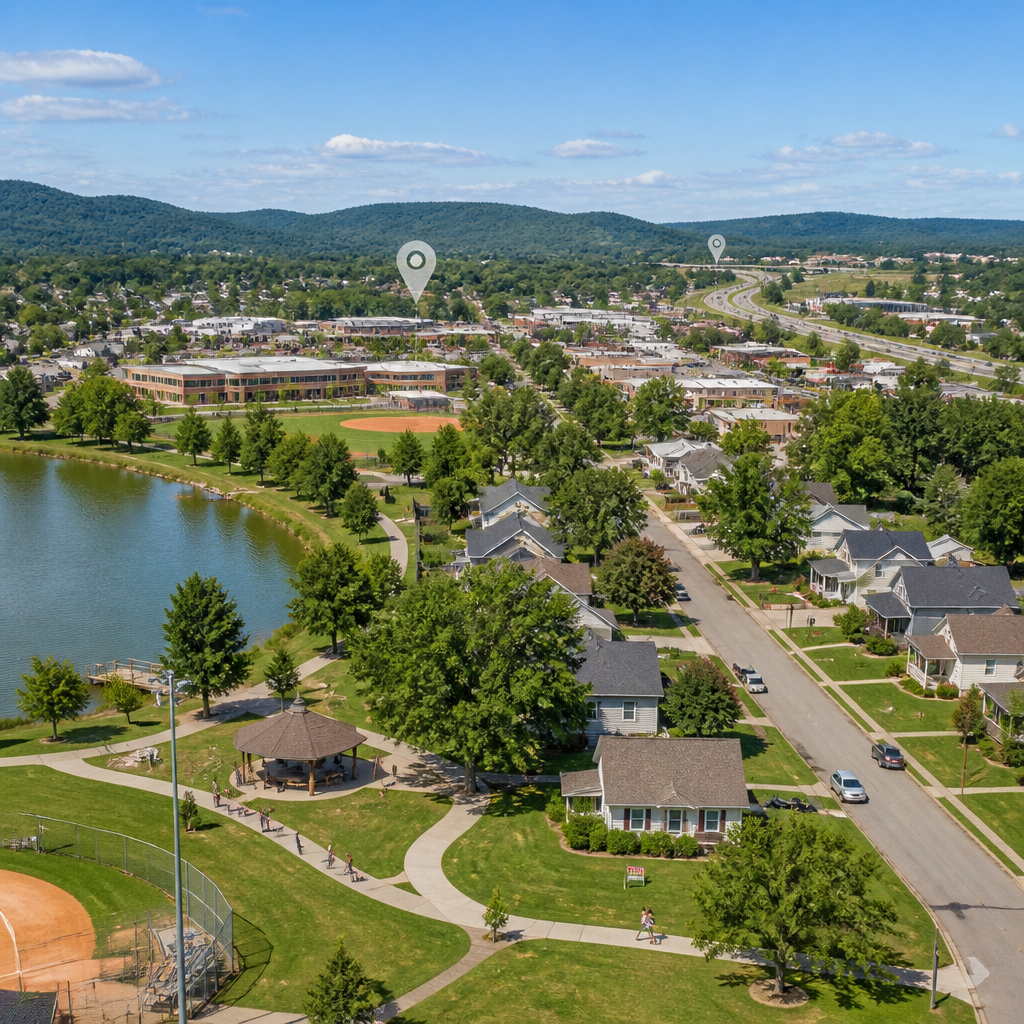
Family-Friendly Living: The Best Barling AR Homes for Families in 2026
Family-Friendly Living: The Best Barling AR Homes for Families in 2026 Families comparing smaller towns near Fort Smith often look for a calm pace, strong schools, and practical home options. Barling offers that blend with access to major employers, Arkansas River recreation, and newer subdivisions
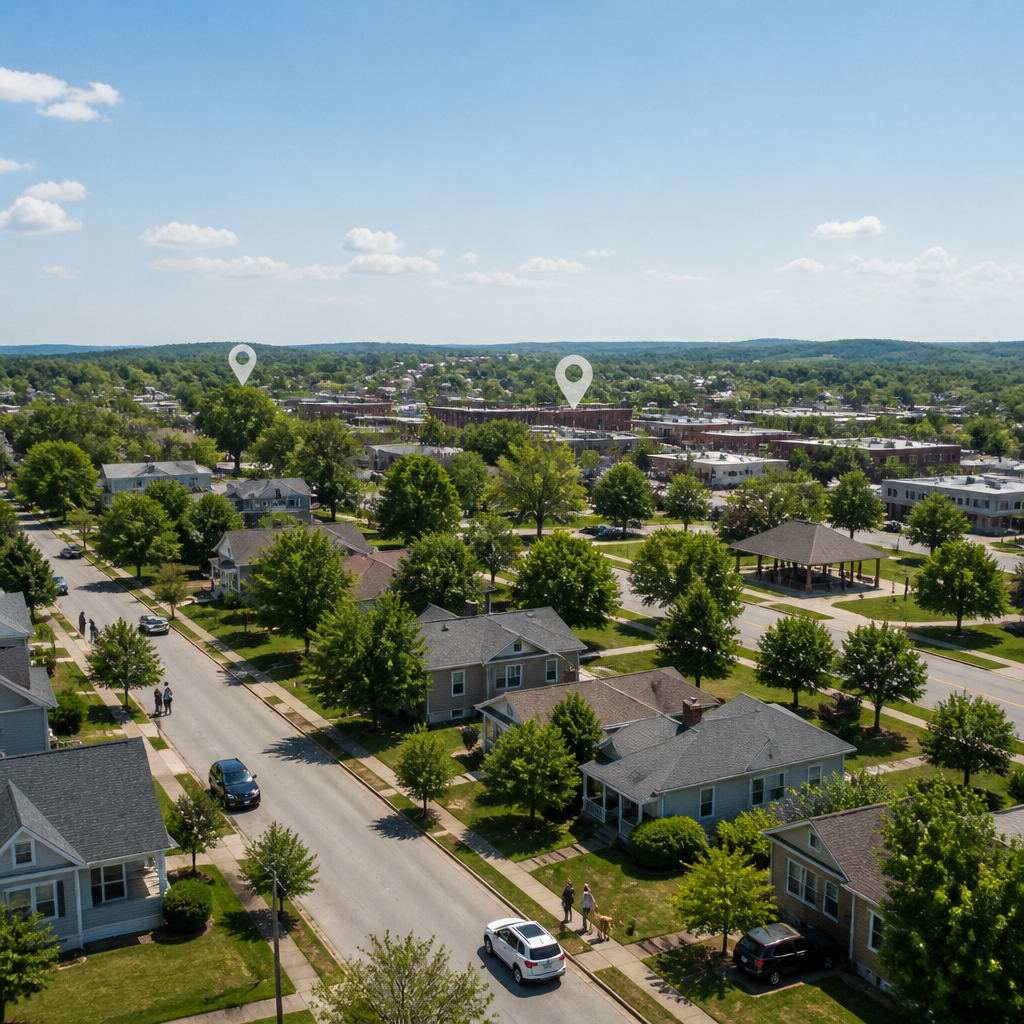
Moving to Greenwood AR: Essential Tips for New Residents in 2026
Moving to Greenwood AR: Essential Tips for New Residents in 2026 Moving to Greenwood AR in 2026 appeals to many households seeking smaller-city living with regional access. According to the U.S. Census Bureau, Greenwood’s population measured 9,397 in 2020, giving the city an intimate scale compared